Unique Properties for Authentic Film and TV Set Design
Creating an authentic film or TV set is no small feat. It requires a deep understanding of the narrative, characters, and the world they inhabit. One of the most crucial elements in achieving this authenticity is the selection of unique properties that can serve as the backdrop for the story. In this blog post, we will explore how to find and utilize unique properties for film and TV set design, ensuring that every scene resonates with the audience.

Understanding the Importance of Location
The location of a film or TV show can significantly impact its overall feel and authenticity. A well-chosen property can enhance the storytelling by providing context and depth to the characters' experiences. Here are some reasons why location matters:
Visual Storytelling: The right property can convey emotions and themes without dialogue. For instance, a dilapidated house can symbolize decay or loss, while a vibrant cityscape can represent opportunity and chaos.
Cultural Context: Locations can ground a story in a specific culture or time period, making it more relatable to the audience. For example, shooting in a historic district can transport viewers back in time.
Character Development: The environment can reflect a character's personality or journey. A character living in a cluttered, chaotic space may indicate their internal struggles.
Types of Unique Properties
When searching for unique properties, filmmakers and set designers should consider various types of locations. Each type offers distinct advantages and can contribute to the authenticity of the production.
Historical Buildings
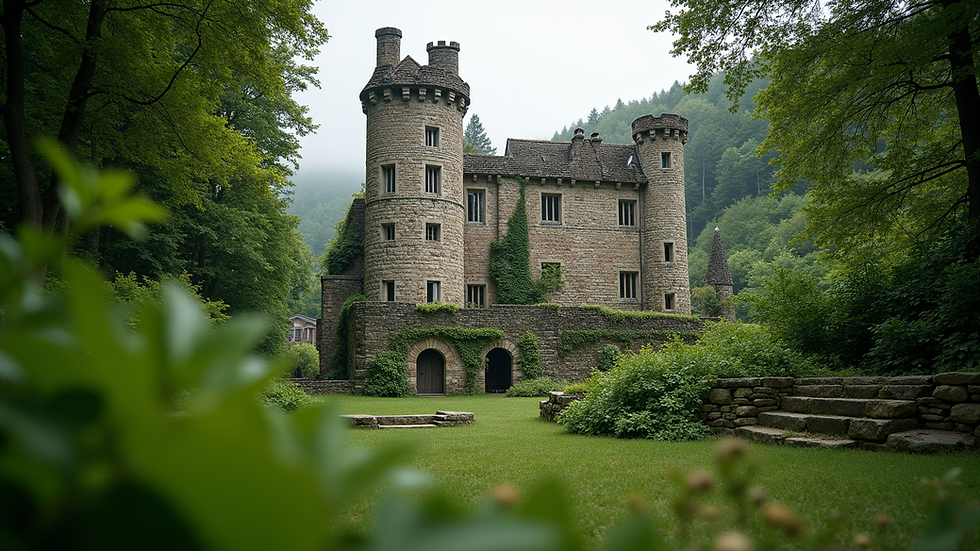
Historical buildings often come with rich stories and architectural details that can enhance a film's aesthetic. These properties can range from old mansions to abandoned factories. For example, the use of a Victorian mansion can evoke a sense of mystery and grandeur, perfect for a period drama or a horror film.
Natural Landscapes
Natural landscapes provide breathtaking backdrops that can elevate any scene. From serene beaches to rugged mountains, these locations can create a strong emotional connection with the audience. For instance, a sweeping view of a valley can symbolize freedom and adventure.
Urban Environments
Cities offer a dynamic setting for contemporary stories. Unique urban properties, such as rooftop gardens or quirky cafes, can add character and vibrancy to a film. A bustling street market can serve as a lively backdrop for a romantic comedy, showcasing the energy of city life.
Abandoned Spaces
Abandoned properties, such as old warehouses or deserted amusement parks, can evoke feelings of nostalgia and intrigue. These locations often have a haunting beauty that can enhance the mood of a thriller or horror film. For example, an abandoned factory can serve as a perfect setting for a suspenseful chase scene.
Unique Homes
Quirky or unconventional homes can add a layer of charm to a story. Properties with unusual architecture or distinctive interior designs can make a film memorable. A tiny house with a whimsical garden can symbolize simplicity and contentment, ideal for a feel-good movie.
Finding Unique Properties
Once you understand the types of properties that can enhance your film or TV show, the next step is finding them. Here are some strategies to locate unique properties:
Networking with Local Communities
Building relationships with local communities can lead to discovering hidden gems. Attend local events, join community groups, or connect with real estate agents who specialize in unique properties. Engaging with locals can also provide insights into the history and significance of a location.
Utilizing Online Platforms
Several online platforms cater specifically to filmmakers looking for unique locations. Websites like Peerspace and LocationHub allow users to browse and book properties for filming. These platforms often include detailed descriptions and photos, making it easier to find the perfect setting.
Collaborating with Location Scouts
Hiring a professional location scout can save time and ensure you find the best properties for your project. Location scouts have extensive knowledge of available properties and can help navigate any logistical challenges. They can also provide valuable insights into the suitability of a location for your specific needs.
Exploring Film Commissions
Many regions have film commissions that promote local properties for filming. These commissions can provide resources, permits, and even financial incentives for filmmakers. They often maintain a database of unique locations, making it easier to find suitable properties.
The Role of Set Design
Once a unique property is secured, the next step is to enhance it through set design. Set designers work to create an environment that aligns with the story and characters. Here are some key considerations for effective set design:
Enhancing Authenticity
Set designers should strive to enhance the authenticity of the property. This may involve adding props, furniture, or decorations that reflect the time period and character backgrounds. For example, a 1950s diner should feature retro signage and vintage furnishings to transport viewers back in time.
Creating Atmosphere
The atmosphere of a scene can be influenced by lighting, color schemes, and textures. Set designers should consider how these elements can evoke specific emotions. For instance, warm lighting and soft colors can create a cozy, inviting atmosphere, while harsh lighting and stark colors can convey tension or unease.
Integrating Technology
In today's digital age, technology plays a significant role in set design. Filmmakers can use virtual reality and augmented reality to visualize how a space will look before filming. This technology allows for more creative freedom and can help identify potential challenges early in the process.
Case Studies of Successful Set Design
To illustrate the impact of unique properties and set design, let's explore a few successful case studies.
"The Grand Budapest Hotel"
Wes Anderson's "The Grand Budapest Hotel" is a prime example of how unique properties can enhance storytelling. The film features a fictional hotel that draws inspiration from various real-life locations. The meticulous set design, with its pastel colors and intricate details, creates a whimsical atmosphere that complements the film's narrative.
"Stranger Things"
The hit series "Stranger Things" effectively uses unique properties to evoke nostalgia for the 1980s. The show's creators chose a small town in Georgia as the primary filming location, utilizing local homes and schools to create an authentic setting. The attention to detail in set design, from vintage toys to retro clothing, immerses viewers in the era.
"Breaking Bad"
"Breaking Bad" showcases the importance of location in character development. The series is set in Albuquerque, New Mexico, and features various unique properties that reflect the characters' journeys. The use of local landmarks and homes adds authenticity to the story, making it relatable to viewers.
Challenges in Finding Unique Properties
While the search for unique properties can be rewarding, it also comes with challenges. Here are some common obstacles filmmakers may encounter:
Budget Constraints
Unique properties often come with higher rental fees, which can strain a production budget. Filmmakers must balance the desire for authenticity with financial limitations. Exploring partnerships with property owners or seeking sponsorships can help mitigate costs.
Permitting and Regulations
Filming in certain locations may require permits or adherence to specific regulations. Navigating these legal requirements can be time-consuming and complex. Filmmakers should allocate sufficient time for this process and work closely with local authorities to ensure compliance.
Accessibility Issues
Some unique properties may be difficult to access due to their location or condition. Filmmakers should assess the feasibility of transporting equipment and crew to the site. In some cases, it may be necessary to make adjustments to the script or shooting schedule to accommodate these challenges.
Conclusion
Finding unique properties for film and TV set design is a crucial step in creating authentic and engaging stories. By understanding the importance of location, exploring various types of properties, and utilizing effective strategies for finding them, filmmakers can enhance their productions. The right property not only serves as a backdrop but also enriches the narrative, making it resonate with audiences. As you embark on your next project, consider the impact of unique properties and how they can elevate your storytelling to new heights.

Comments