Finding Historic Locations for Film and TV Productions
In the world of film and television, the setting plays a crucial role in storytelling. Historic locations not only provide a backdrop but also add depth and authenticity to the narrative. As filmmakers and producers seek to create immersive experiences, the demand for unique and historically rich locations has surged. This blog post explores how to find these locations, the benefits they offer, and tips for successfully incorporating them into productions.
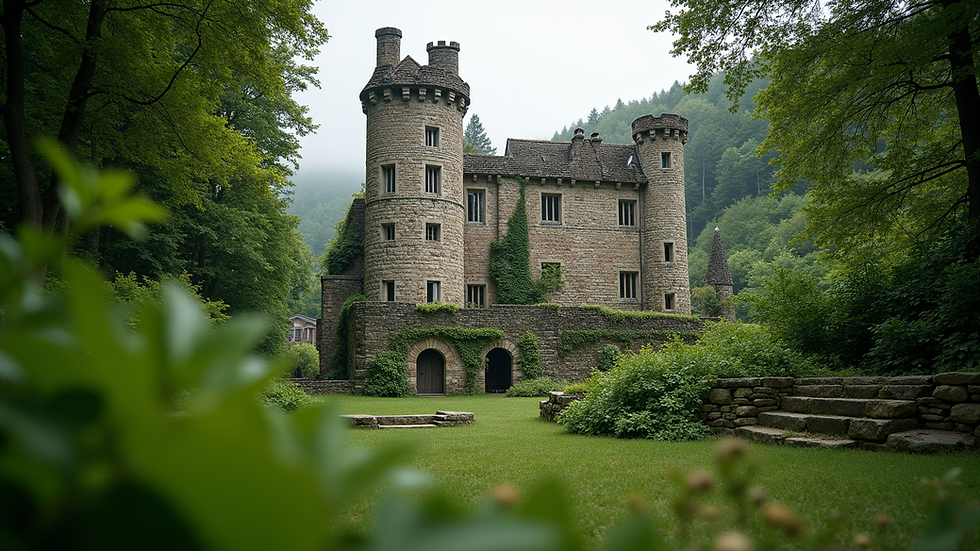
The Importance of Historic Locations
Authenticity and Atmosphere
Historic locations bring a sense of authenticity that modern sets often struggle to replicate. They provide a tangible connection to the past, allowing audiences to immerse themselves in the story. For example, the use of the ancient Roman Colosseum in films like "Gladiator" not only enhances the visual appeal but also transports viewers to a different era.
Unique Aesthetic
Every historic site has its own unique aesthetic that can significantly influence the visual storytelling of a film or TV show. From the intricate architecture of a medieval castle to the rustic charm of an old town, these locations offer diverse backdrops that can enhance the narrative. For instance, the picturesque streets of Dubrovnik, Croatia, have become a popular filming location for series like "Game of Thrones," thanks to their stunning medieval architecture.
Cultural Significance
Filming in historic locations can also highlight cultural heritage and promote awareness of historical events. By showcasing these sites, filmmakers can educate audiences about their significance. Documentaries, in particular, benefit from this approach, as they often aim to inform and engage viewers about specific historical topics.
How to Find Historic Locations
Research and Networking
The first step in finding historic locations is thorough research. Utilize online databases, historical societies, and local tourism boards to identify potential sites. Networking with other filmmakers, location scouts, and historians can also provide valuable insights and recommendations.
Location Scouting
Once you have a list of potential locations, it’s time to scout them in person. This process involves visiting the sites to assess their suitability for filming. Consider factors such as accessibility, lighting conditions, and any necessary permits. Take detailed notes and photographs to help visualize how each location fits into your project.
Collaborating with Local Authorities
Engaging with local authorities can streamline the process of securing filming permits and accessing historic sites. Many locations have specific guidelines for filming, and local officials can provide assistance in navigating these regulations. Building a good relationship with these authorities can also lead to future opportunities.
Utilizing Technology
In today's digital age, technology can be a powerful ally in finding historic locations. Online platforms and apps dedicated to location scouting can help filmmakers discover hidden gems. Virtual tours and drone footage can also provide a unique perspective on potential sites, allowing for preliminary assessments before visiting in person.
Tips for Incorporating Historic Locations into Productions
Respect the Site
When filming in historic locations, it’s essential to respect the site and its significance. This includes adhering to any guidelines set by local authorities and ensuring that the filming process does not damage the property. Educating the cast and crew about the site's history can foster a sense of appreciation and responsibility.
Creative Adaptation
While historic locations provide a rich backdrop, filmmakers may need to adapt their scripts to fit the site. This could involve altering scenes to highlight specific architectural features or incorporating local legends into the narrative. For example, a film set in a historic lighthouse could weave in tales of shipwrecks and maritime lore to enhance the story.
Engaging the Community
Involving the local community can enrich the filming experience and foster goodwill. Consider hiring local talent for roles, utilizing local vendors for supplies, and inviting community members to participate in the production. This not only supports the local economy but also creates a sense of ownership and pride in the project.
Documenting the Process
Filming in historic locations can be a unique experience, and documenting the process can provide valuable content for marketing and promotional purposes. Behind-the-scenes footage, interviews with local historians, and insights into the location's history can engage audiences and build anticipation for the final product.
Case Studies of Successful Productions
"The Crown"
Netflix's acclaimed series "The Crown" showcases numerous historic locations throughout its seasons. From the grandeur of Buckingham Palace to the serene beauty of Windsor Castle, these sites enhance the storytelling by providing a visual representation of British history. The production team meticulously researched each location, ensuring that the settings accurately reflected the time periods depicted in the series.
"Outlander"
The hit series "Outlander" is known for its stunning Scottish landscapes and historic sites. Filming at locations like Doune Castle and the picturesque village of Falkland, the show immerses viewers in the rich history of Scotland. The production team worked closely with local historians to ensure authenticity, incorporating real historical events into the narrative.
"Pride and Prejudice"
The 2005 adaptation of "Pride and Prejudice" utilized several historic locations in England, including the stunning Chatsworth House, which served as Pemberley. The film's use of these locations not only added visual splendor but also helped to convey the social dynamics of the Regency era. The production team carefully selected sites that aligned with Jane Austen's descriptions, enhancing the film's authenticity.
Challenges of Filming in Historic Locations
Logistical Issues
Filming in historic locations can present logistical challenges, such as limited access, strict regulations, and the need for specialized equipment. Producers must plan carefully to navigate these obstacles and ensure a smooth filming process.
Preservation Concerns
Many historic sites are fragile and require careful handling to prevent damage. Filmmakers must prioritize preservation and work closely with site managers to implement protective measures during filming.
Weather and Environmental Factors
Outdoor historic locations are subject to unpredictable weather conditions, which can impact filming schedules. Producers should have contingency plans in place to address potential delays caused by inclement weather.
Conclusion
Finding historic locations for film and TV productions is a rewarding endeavor that can significantly enhance storytelling. By conducting thorough research, collaborating with local authorities, and respecting the sites, filmmakers can create authentic and engaging narratives. As the demand for unique settings continues to grow, embracing the rich history of our world will undoubtedly lead to captivating cinematic experiences.
As you embark on your next production, consider the stories that historic locations can tell and the immersive experiences they can create for your audience.


Comments